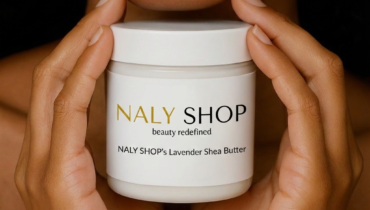

Shea Butter vs. Coconut Oil: Which Natural Moisturizer Wins for Your Skin
You’ve decided to ditch the chemicals and go natural congratulations! But now you’re staring at the two heavyweights of natural skincare: Shea Butter and Coconut Oil.
Both are famous for hydration. Both are packed with nutrients. But is one actually better than the other?
The short answer: It depends entirely on your skin type.
At Naly’s Shop, we believe in helping you find the perfect match for your glow. In this guide, we’re putting these two hydration heroes head-to-head to help you decide which jar belongs on your bathroom shelf.
What is Shea Butter? (The Deep Healer)
Shea butter is a fat extracted from the nut of the African Shea tree. It has been a staple in West African skincare for centuries, prized for its rich texture and healing properties.
Why skin loves it:
- Vitamins A & E: Powerful antioxidants that help cell regeneration and fight signs of aging.
- Fatty Acids: High concentrations of oleic and stearic acids create a strong moisture barrier.
- Anti-Inflammatory: Excellent for soothing eczema, dermatitis, and sunburns.
Best for:
- Extremely dry or flaky skin.
- Sensitive skin types.
- Winter skincare protection.
Naly’s Tip: Because raw Shea Butter is incredibly rich, a little goes a long way. Warm a small amount between your palms to melt it before applying.

The Head-to-Head Comparison
The biggest difference between these two lies in their Comedogenic Rating (a scale of 0–5 indicating how likely an oil is to clog your pores).
| Feature | Shea Butter | Coconut Oil |
| Source | Shea Tree Nut | Coconut Kernel |
| Texture | Thick, solid, creamy | Solid (cool) to liquid (warm) |
| Comedogenic Rating | 0-1 (Very unlikely to clog pores) | 4 (High chance of clogging pores) |
| Absorption | Slow, deep penetration | Fast, surface hydration |
| Scent | Nutty/Earthy | Sweet/Tropical |
| Best Used On | Face & Body | Body (Avoid face if acne-prone) |
H2: Which One Should You Choose?
Here is our verdict based on specific skin concerns:
- If you have Acne-Prone Face Skin…
Winner: Shea Butter.
Because Coconut Oil has a high comedogenic rating, it can trap bacteria and sebum in your pores, causing breakouts on the face. Shea Butter is non-comedogenic, meaning it moisturizes without blocking pores.
- If you want a Full Body Glow…
Winner: Coconut Oil.
Nothing beats the sheen of coconut oil on your legs and shoulders during the summer. Its antibacterial properties can also help with body acne or “strawberry legs.”
- If you have Eczema or Psoriasis…
Winner: Shea Butter.
The thick barrier of Shea Butter mimics the skin’s natural sebum, offering long-lasting protection and relief from itching that lighter oils can’t provide.
H2: The Power Couple: Can You Use Both Together?
Absolutely! In fact, mixing them creates the ultimate “Whipped Body Butter.”
DIY Recipe:
- Melt Naly’s Shea Butter and Naly’s Coconut Oil in a double boiler (use a 70/30 ratio favoring Shea).
- Let it cool until it starts to solidify but is still soft.
- Whip with an electric mixer until it looks like frosting.
This combination gives you the deep healing of Shea with the spreadability and antibacterial benefits of Coconut Oil.
H2: The Bottom Line
Both oils are incredible, natural alternatives to chemical-laden lotions.
- Choose Shea Butter if you need deep healing, facial moisture, or have sensitive skin.
- Choose Coconut Oil if you want a lightweight body oil, a makeup remover, or an antimicrobial treatment.
Ready to transform your skincare routine?
- Buy Naly’s Organic Shea Butter – The best choice for deep hydration.
- Buy Naly’s Pure Coconut Oil – The best choice for a radiant body glow.